Why are O Rings used?
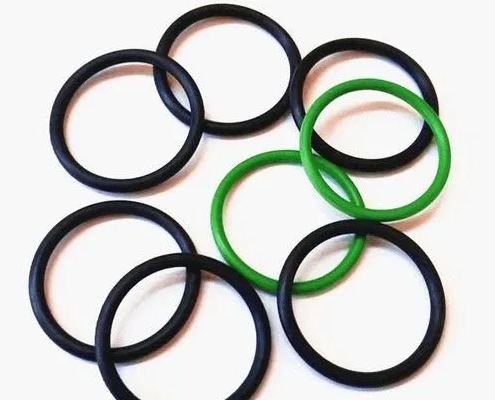
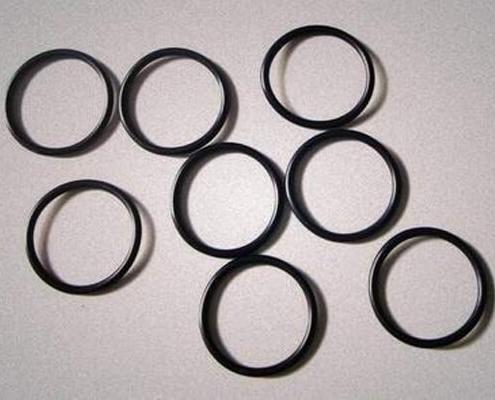
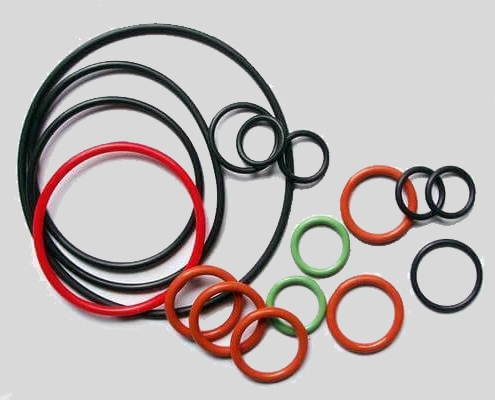
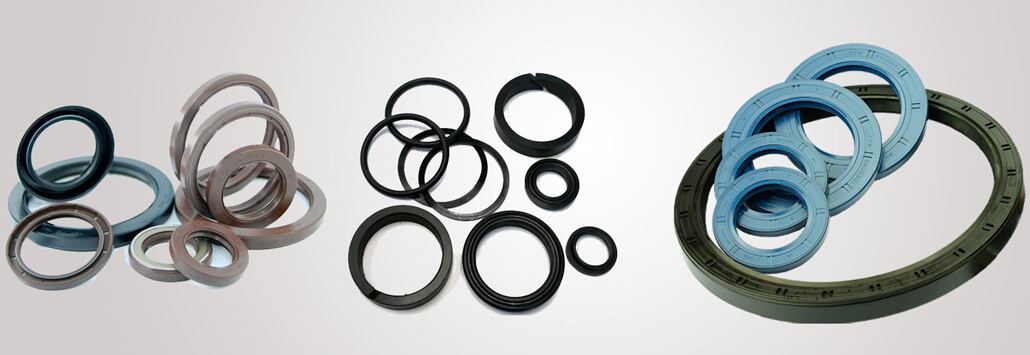
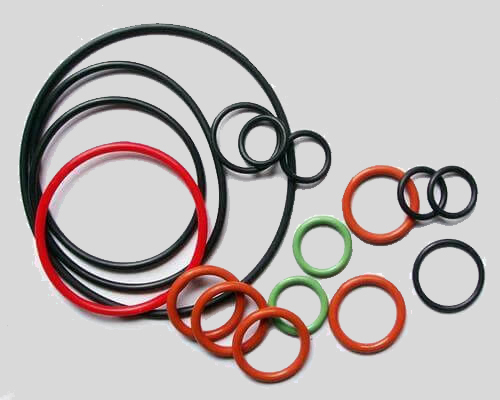
O rings are an essential part of many precision designed systems due to their remarkable features. They are one of the most affordable and dependable ways to create a robust seal because of their innate tendency to revert to their original shape when the cross section is put under strain.
O rings can be produced from a variety of materials, which is another factor in their widespread use. Elastomers, a type of elastic polymer, are used to make the bulk of o rings, but there is a wide selection of these elastomers available, each with unique strengths, weaknesses, and tolerances. Which type of material is best depends on the application the o ring is intended for, for instance:
High and low temperatures
Fluorosilicate and silicone can withstand temperatures as low as -100 °C. A seal that can withstand freezing temperatures will be necessary for cryogenic activities. FFKM is effective at very high temperatures up to 316°C.
Chemical compatibility:
O rings made of viton, often referred to as FKM/FPM, are resistant to a variety of chemicals and can withstand high temperatures.
Hot water and steam:
Steam and hot water are not only resistant to ethylene propylene o rings (EPDM), but also to alcohol, strong alkalis, and fluids used in automotive applications.
Grease and hydraulic fluids:
Where there is a lot of grease or hydraulic fluid present, Buna-N or nitrile O rings should be used.

 https://www.karthikautosales.com/wp-content/uploads/2022/09/Manufacturers-of-Rubber-Moulded-Products-in-Chennai.jpg
400
500
karthik_login
https://www.karthikautosales.com/wp-content/uploads/2022/07/home-Page-Logo.png
karthik_login2022-09-08 11:45:412022-09-09 07:15:38Manufacturers of Rubber Moulded Products in Chennai
https://www.karthikautosales.com/wp-content/uploads/2022/09/Manufacturers-of-Rubber-Moulded-Products-in-Chennai.jpg
400
500
karthik_login
https://www.karthikautosales.com/wp-content/uploads/2022/07/home-Page-Logo.png
karthik_login2022-09-08 11:45:412022-09-09 07:15:38Manufacturers of Rubber Moulded Products in Chennai